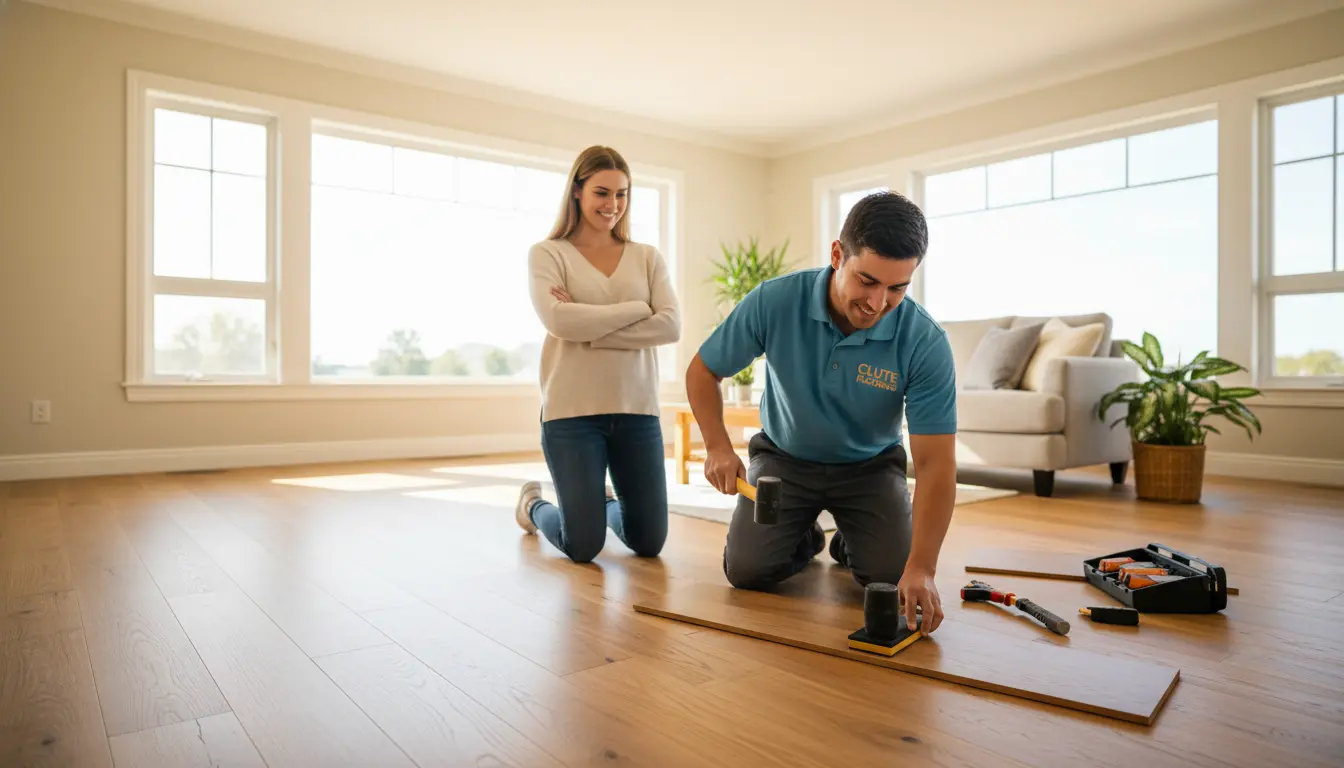
Are you dreaming of a fresh, modern floor that withstands the humid coastal climate of Brazoria County? Vinyl plank flooring might just be your perfect match. As a homeowner in Clute or nearby areas, you know how important it is to have flooring that’s both beautiful and resilient against everyday wear and tear. At Clute Flooring, we’ve helped countless families in Clute upgrade their spaces with this versatile option. In this guide, we’ll walk you through the process of installing vinyl plank floors yourself, saving you time and money while achieving professional results. Whether you’re revamping your kitchen or adding flair to your living room, these steps will get you started right.
Vinyl plank flooring mimics the look of hardwood or stone at a fraction of the cost, making it ideal for budget-conscious renovations in our local community. But before diving in, let’s explore why it’s a top choice for Brazoria County homes.
Why Choose Vinyl Plank Flooring for Your Clute Home?
Vinyl plank flooring has surged in popularity, and for good reason. It’s waterproof, easy to maintain, and offers endless design options to suit any style. In the humid environment of Brazoria County, where moisture from Gulf Coast weather can wreak havoc on traditional wood floors, vinyl stands out as a durable alternative.
Benefits of Vinyl Plank Over Other Options
Unlike real hardwood, which can warp in high humidity, vinyl planks resist water and scratches, making them perfect for busy households with kids or pets. They’re also more affordable—expect to pay $2 to $5 per square foot compared to $8 or more for hardwood floor installation. If you’re considering other materials, our ceramic tile installation services offer a similar waterproof edge, but vinyl provides a warmer, softer feel underfoot.
In Clute, where homes often face sandy soils and occasional flooding, vinyl’s low-maintenance nature shines. It installs quickly over existing floors, minimizing disruption to your daily routine. Plus, with realistic wood-grain textures, it blends seamlessly into the cozy, Southern aesthetic of Downtown Clute residences.
Local Considerations for Brazoria County
Brazoria County’s subtropical climate means your flooring needs to handle heat, humidity, and potential spills from outdoor activities. Vinyl planks excel here, locking out moisture to prevent mold growth—a common issue in older Clute homes near the Brazos River. At Clute Flooring, we recommend choosing planks with a thick wear layer (at least 12 mil) for extra longevity in our area.
Tools and Materials You’ll Need
Gathering the right supplies is key to a smooth installation. Don’t skimp on quality—investing upfront ensures your floors last for decades.
Essential Tools
- Utility knife or flooring cutter for precise cuts
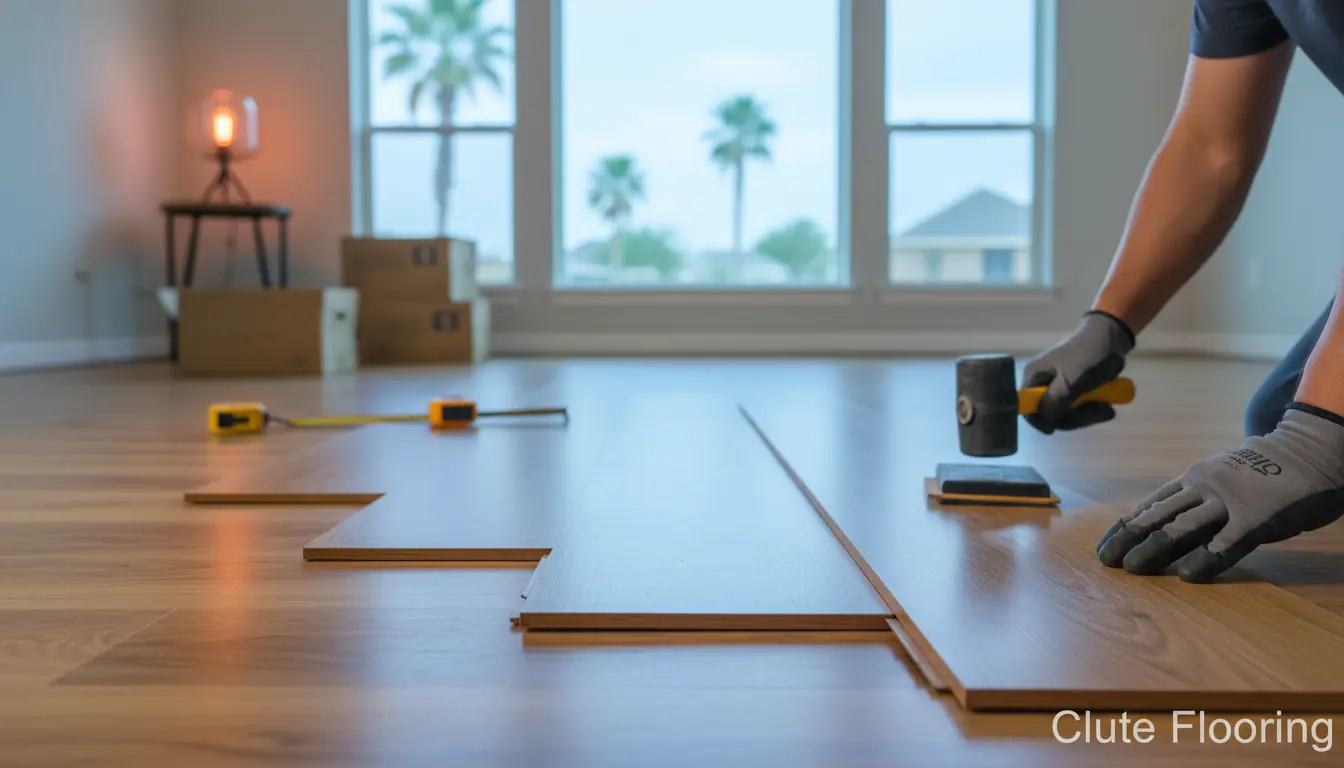
- Tapping block and rubber mallet to secure planks without damage
- Measuring tape and chalk line for straight layouts
- Spacers (1/4-inch) to maintain expansion gaps around walls
- Level to check for subfloor evenness
For uneven subfloors common in older Lake Jackson properties, a self-leveling compound might be necessary. If DIY feels overwhelming, our tile floor laying team can handle prep work.
Materials Checklist
- Vinyl plank flooring (calculate square footage plus 10% extra for cuts)
- Underlayment if not attached to the planks (foam or felt for sound absorption)
- Adhesive or glue for wet areas like bathrooms
- Transition strips for doorways
Opt for click-lock vinyl for floating installations—it’s beginner-friendly and doesn’t require glue. In Brazoria County, source materials from local suppliers to support the community and ensure compatibility with our climate.
Step-by-Step Guide to Installing Vinyl Plank Floors
Ready to roll up your sleeves? Follow these actionable steps for a flawless install. This process typically takes 1-2 days for a 200-square-foot room.
Step 1: Prepare Your Space
Start by clearing the room and removing baseboards if desired (use a pry bar gently). Inspect the subfloor for damage—repair any low spots or cracks with patching compound. In Clute’s older homes, subfloors might need leveling due to settling foundations from coastal shifts.
Acclimate your vinyl planks by leaving them in the room for 48 hours. This prevents expansion issues in our variable humidity. Clean the subfloor thoroughly; any debris can cause clicks or gaps later.
Step 2: Plan Your Layout
Dry-lay the planks without adhesive to visualize the pattern. Start from the longest wall for a natural flow, staggering seams like bricks (at least 6 inches apart). Use your chalk line to mark a straight starting row.
For rooms with multiple doors, like those in Sweeny bungalows, plan transitions early. This step avoids costly redo’s and ensures a cohesive look.
Step 3: Install the First Row
Begin in a corner, inserting the tongue of the first plank into the groove of the next at a 30-degree angle. Tap gently with the mallet via the block to lock them. Leave a 1/4-inch gap along walls for expansion—essential in Brazoria County’s temperature swings.
Cut the last plank of the row with a utility knife (score and snap) to fit precisely. Pro tip: Measure twice for accuracy.
Step 4: Continue Laying Rows
Work row by row, staggering joints for stability. For click-lock systems, angle and drop each plank into place, then tap to engage. In humid Clute summers, work in cooler morning hours to avoid plank expansion mid-install.
Around obstacles like vents or cabinets, use a jigsaw for custom cuts. If your home has radiant heating—a growing trend in Richwood—ensure vinyl is heat-compatible.
Step 5: Finish and Trim
Install transition strips at doorways and reinstall baseboards to cover gaps. Walk the floor to check for loose planks; secure with adhesive if needed. Clean with a damp mop using vinyl-safe cleaners—no harsh chemicals that could dull the finish.
Practical Tips for a Professional-Looking Finish in Clute
To elevate your DIY project, consider these local insights. In Brazoria County, where homes blend indoor-outdoor living, choose vinyl with enhanced UV resistance to prevent fading from sunlight streaming through large windows.
- Humidity Control: Use a dehumidifier during install to maintain 40-60% relative humidity.
- Cut Efficiently: Rent a flooring cutter from a Clute hardware store for straight edges on long runs.
- Maintenance Hack: For high-traffic areas like entryways, add felt pads under furniture to prevent scratches.
If vinyl repair becomes necessary down the line, similar to laminate flooring repair, individual planks can be replaced easily without full replacement.
Avoid common pitfalls like ignoring subfloor flatness—uneven surfaces lead to peaking. And always wear knee pads; kneeling on hard subfloors in a Danbury remodel can be tough!
FAQ: Vinyl Plank Flooring Installation
Can I install vinyl plank over existing tile?
Yes, as long as the tile is level and secure. This is a great option for updating without demo, saving time in Clute renovations.
How long does vinyl plank flooring last in Brazoria County?
With proper care, 15-25 years. Its water resistance makes it ideal for our humid climate.
Do I need to acclimate the planks in Clute’s weather?
Absolutely—48 hours minimum to adjust to indoor conditions and prevent warping.
Is professional installation worth it for complex layouts?
For intricate designs or large areas, yes. Clute Flooring offers tailored services to ensure perfection.
Can vinyl plank be used in bathrooms?
Definitely—opt for waterproof varieties to handle moisture from showers.
Conclusion: Elevate Your Home with Clute Flooring
Installing vinyl plank floors in Brazoria County is a rewarding project that boosts your home’s value and comfort. From preparation to the final trim, following these steps delivers stunning results tailored to Clute’s unique environment. But if you’d rather leave it to the pros, Clute Flooring is here to serve Downtown Clute and beyond with expert installation.
Ready to step into a beautiful new floor? Contact Clute Flooring today for a free quote and let’s make your vision a reality. Your dream space awaits!