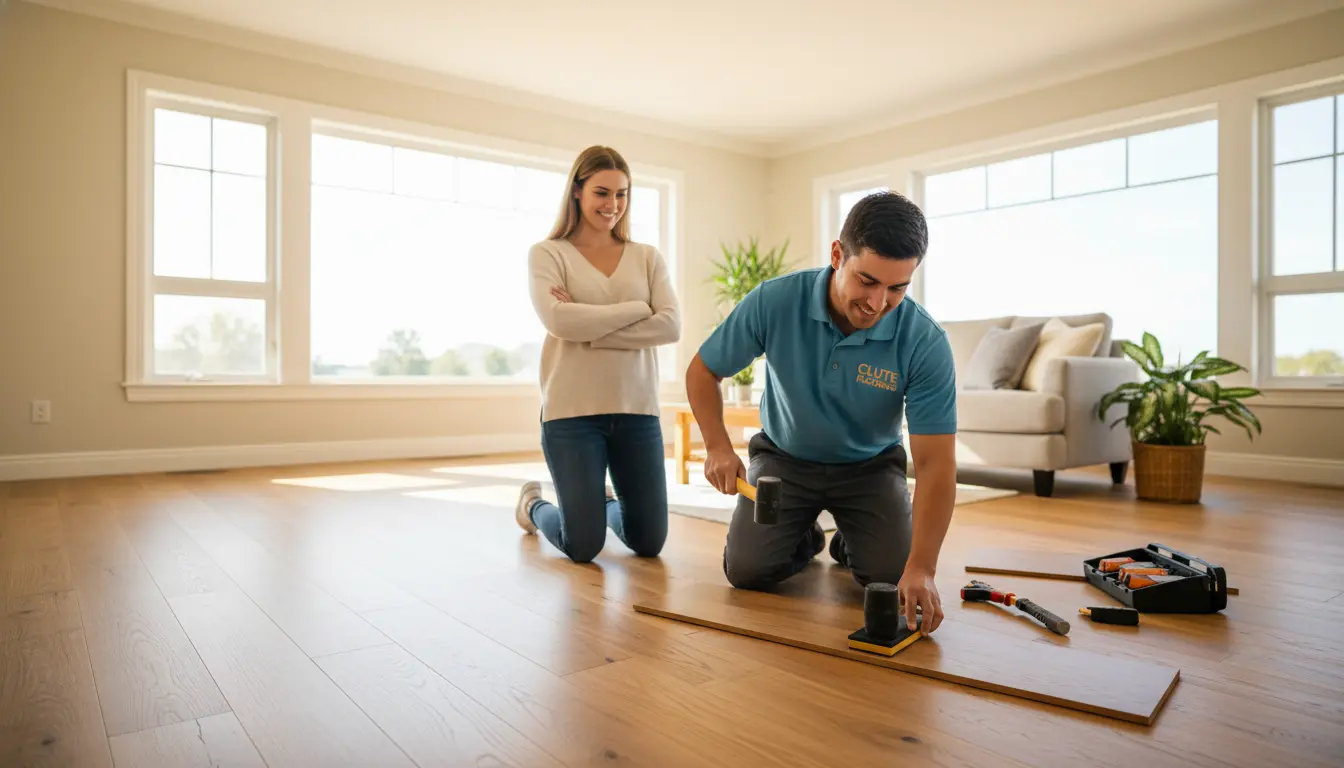
Homeowners in Clute are likely familiar with the frustrations of dealing with flooring damage caused by the region’s unique weather patterns. The combination of high humidity, intense sunlight, and frequent storms can lead to warped wood, cracked tile, and faded finishes, resulting in costly repairs and replacements. In fact, a single instance of water damage can cost upwards of $10,000 to repair, making it essential to choose the right flooring type for your home. At Clute Flooring, we understand the importance of selecting flooring that can withstand the local climate, which is why we’re dedicated to providing our clients with expert guidance and top-quality products.
The Gulf Coast weather in Clute can be particularly challenging for flooring, with its hot summers and mild winters. The area’s proximity to the ocean means that the air is often filled with salt and moisture, which can seep into homes and cause damage to flooring. Furthermore, the region’s clay-based soil can lead to foundation problems, which can, in turn, affect the integrity of the flooring. As a result, it’s crucial to work with a flooring expert who understands the local conditions and can recommend the best flooring solutions for your specific needs.
At Clute Flooring, our team of certified professionals has years of experience working with a variety of flooring types, from solid hardwood to luxury vinyl plank. We take the time to assess each client’s unique needs and provide personalized recommendations for the best flooring solutions. Whether you’re looking to replace existing flooring or install new flooring in a newly constructed home, we’re committed to delivering exceptional results and unparalleled customer service. For more information on our services, including Hardwood Refinishing and Luxury Vinyl Plank Installation, please don’t hesitate to contact us.
Technical Process
When it comes to installing flooring, there’s more to the process than simply laying down the material. At Clute Flooring, we follow a meticulous workflow that ensures each floor is installed to perfection. First, we conduct a thorough site assessment to identify any potential issues, such as uneven subfloors or excessive moisture. Next, we prepare the subfloor to ensure it’s level, clean, and dry. This may involve applying a Moisture Barrier Application to prevent water damage or using a self-leveling compound to create a smooth surface.
Once the subfloor is prepared, we begin the installation process, using specialized tools such as moisture meters and laser levels to ensure accuracy and precision. For example, when installing hardwood flooring, we use a pneumatic floor nailer to secure the boards to the subfloor, taking care to maintain the recommended spacing and pattern. We also use a variety of adhesives and underlayment systems, depending on the type of flooring and the specific conditions of the subfloor. By taking the time to get the installation right, we can ensure that your flooring will last for years to come.
Data Comparison Table
When deciding between different flooring types, it’s essential to consider the unique characteristics of each material. The following table compares the features of solid hardwood and engineered wood flooring:
| Feature/Metric | Solid Hardwood | Engineered Wood |
|---|---|---|
| Dimensional Stability | More prone to shrinkage and expansion | Less prone to shrinkage and expansion |
| Moisture Resistance | More susceptible to water damage | Less susceptible to water damage |
| Life Cycle Value | Can last for decades with proper maintenance | Can last for decades with proper maintenance |
Source: National Wood Flooring Association Technical Manual
Expert Insights
As a certified senior flooring specialist, I’ve seen firsthand the importance of choosing the right flooring type for your home. One common mistake homeowners make is skipping the acclimation phase, which can lead to warping or buckling of the flooring. Another mistake is ignoring subfloor leveling, which can cause uneven wear and tear on the flooring. By taking the time to properly acclimate and level the subfloor, you can ensure that your flooring will last for years to come.
In addition to proper installation, it’s also essential to choose the right wear layer for your flooring. For high-traffic areas, such as entryways or kitchens, a thicker wear layer can provide added durability and protection. We also recommend using Custom Tile Inlays to add a touch of elegance and sophistication to your flooring. By considering these factors and working with a qualified flooring expert, you can create a beautiful and functional space that meets your unique needs and budget.
Pricing
The cost of flooring can vary widely, depending on the type of material, the size of the area, and the complexity of the installation. Here are some factors to consider when budgeting for your flooring project:
- Material costs: The cost of the flooring material itself, which can range from $3 to $15 per square foot, depending on the type and quality of the material.
- Installation costs: The cost of labor, which can range from $2 to $10 per square foot, depending on the complexity of the installation and the qualifications of the installer.
- Demolition and disposal costs: The cost of removing and disposing of existing flooring, which can range from $1 to $5 per square foot.
- Subfloor preparation costs: The cost of preparing the subfloor, which can range from $1 to $5 per square foot.
Safety and Standards
At Clute Flooring, we’re committed to providing safe and healthy flooring solutions that meet the highest standards of quality and sustainability. We’re certified by the National Wood Flooring Association and the Tile Council of North America, and we adhere to all relevant safety protocols and regulations. We also use eco-friendly and sustainable materials whenever possible, and we’re dedicated to reducing waste and minimizing our environmental impact.
For households with pets, children, or respiratory sensitivities, we recommend using flooring materials that are resistant to moisture and easy to clean. We also recommend using Luxury Vinyl Plank Installation with a thick wear layer to provide added durability and protection. By choosing the right flooring material and working with a qualified installer, you can create a safe and healthy space that meets your unique needs and budget.
FAQ Section
What is the best type of flooring for high-traffic areas?
The best type of flooring for high-traffic areas depends on a variety of factors, including the level of foot traffic, the type of activities that will be taking place, and the desired aesthetic. Generally, flooring materials with a thick wear layer, such as luxury vinyl plank or ceramic tile, are well-suited for high-traffic areas. These materials are resistant to moisture and easy to clean, making them ideal for entryways, kitchens, and other high-traffic spaces.
How often should I clean my flooring?
The frequency of cleaning your flooring depends on the type of material and the level of foot traffic. Generally, it’s recommended to clean your flooring at least once a week, using a mild detergent and warm water. For high-traffic areas, you may need to clean your flooring more frequently, such as daily or every other day. It’s also important to clean up spills and messes immediately, to prevent them from becoming embedded in the flooring.
Can I install flooring myself, or do I need to hire a professional?
While it’s possible to install flooring yourself, it’s generally recommended to hire a professional installer. Flooring installation requires specialized tools and expertise, and improper installation can lead to a variety of problems, including uneven wear and tear, warping, and buckling. A professional installer can ensure that your flooring is installed correctly and will last for years to come.
What is the difference between solid hardwood and engineered wood flooring?
Solid hardwood flooring is made from a single piece of wood, while engineered wood flooring is made from multiple layers of wood. Engineered wood flooring is less prone to shrinkage and expansion, making it a good choice for areas with high humidity or extreme temperature fluctuations. Solid hardwood flooring, on the other hand, is more durable and can be refinished multiple times, making it a good choice for high-traffic areas.
Professional Flooring in Clute
In conclusion, choosing the right flooring type for your home in Clute, Texas, requires careful consideration of the local climate, lifestyle, and budget. At Clute Flooring, we’re dedicated to providing our clients with expert guidance and top-quality products, ensuring that their flooring will last for years to come. Whether you’re looking to replace existing flooring or install new flooring in a newly constructed home, we’re committed to delivering exceptional results and unparalleled customer service. For more information on our services, including Hardwood Refinishing and Luxury Vinyl Plank Installation, please don’t hesitate to contact us.
By working with a qualified flooring expert and choosing the right flooring material, you can create a beautiful and functional space that meets your unique needs and budget. Remember to consider factors such as moisture resistance, durability, and maintenance requirements when selecting your flooring, and don’t hesitate to reach out to us with any questions or concerns. At Clute Flooring, we’re here to help you every step of the way.